Introduction:
As spring unfolds its vibrant palette, Istanbul, the city where East meets West, dons a spectacular display of colours during its annual Tulip Festival. While the tulip is often synonymous with Holland, Istanbul’s celebration offers a unique twist, showcasing the rich cultural tapestry of Turkey. In this blog, we’ll explore the differences between Istanbul and Holland’s tulip festivals, the surprising fact that tulips actually grow in Turkey, and the must-visit spots during this enchanting event in Istanbul.
Istanbul vs. Holland: A Floral Faceoff
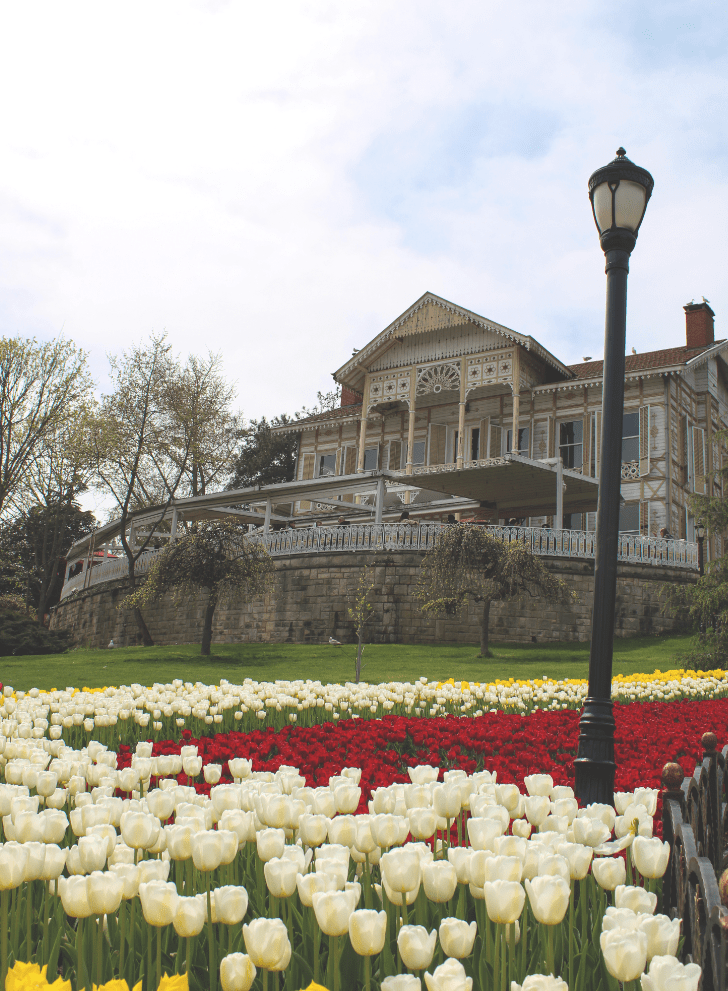
Holland has long been renowned for its breathtaking tulip fields, attracting tourists from around the globe. However, Istanbul’s Tulip Festival stands out as a distinctive cultural experience. While the Dutch tulip fields are vast and iconic, Istanbul’s festival integrates the tulip into the cityscape, transforming parks, gardens, and public spaces into a sea of vibrant hues. Unlike the sprawling tulip fields in Holland, Istanbul’s celebration brings the beauty of the tulip directly to the heart of the city, creating a unique and immersive experience.

Tulips Thrive in Turkish Soil:
Surprisingly, tulips are not strangers to Turkish soil. The tulip has deep historical roots in Turkey, with the Ottoman Empire being the first to cultivate and popularise the flower. In the 16th century, tulips became a symbol of wealth and prestige, adorning the gardens of the Ottoman palaces.
The journey of tulips from Turkey to Holland dates back to the 16th century during the Ottoman Empire. It is believed that the ambassador of the Austrian Empire to the Ottoman Empire, Ogier Ghiselin de Busbecq, first encountered tulips in Turkey and sent some bulbs back to Vienna in 1554. These bulbs eventually found their way to the botanical gardens of the Holy Roman Emperor, where they attracted attention for their beauty and uniqueness.
In the following years, tulips became a popular ornamental plant among the European elite, with traders and diplomats introducing them to various parts of Europe. However, it was not until the Dutch Golden Age in the 17th century that tulips gained widespread popularity in Holland.
During this time, Holland experienced an economic boom, and tulips became a status symbol among the wealthy merchants and aristocrats. Tulip bulbs were highly coveted commodities, and their prices soared to unprecedented levels, leading to the infamous Tulipomania bubble.
Dutch traders established a thriving tulip trade, importing bulbs from Turkey and other parts of Europe. They cultivated new varieties through selective breeding, leading to the development of unique and exotic tulip cultivars. Eventually, Holland became synonymous with tulips, and the country’s climate and soil were found to be particularly conducive to their cultivation.
Today, Holland is renowned for its tulip fields, especially in regions like Keukenhof and the Bollenstreek, where millions of tulips bloom each spring, attracting tourists from around the world. The tulip remains an enduring symbol of Holland’s cultural heritage and its historical ties to Turkey and the Ottoman Empire.

Tulip Day in Istanbul is an annual event that typically takes place in April, celebrating the arrival of spring and the blooming of tulips throughout the city. During Tulip Day, Istanbul comes alive with various events and activities for both locals and visitors to enjoy. These can include tulip-themed exhibitions showcasing different varieties of tulips, their cultural significance, and their role in Turkish history, tulip-themed art installations and displays in public spaces, parks, and gardens, adding to the city’s vibrant atmosphere, cultural performances such as traditional music and dance performances, reflecting the diversity and richness of Turkish culture, workshops and seminars on topics related to gardening, floral arrangement, and the history of tulips in Turkey, guided tours of parks, gardens, and historical sites known for their tulip displays, providing insight into the significance of tulips in Turkish heritage.
Beyond its aesthetic appeal, the tulip holds symbolic significance in Turkish culture, representing renewal, beauty, and the arrival of spring. Tulip Day serves as a celebration of these themes, bringing people together to appreciate nature’s beauty and the cultural heritage of Turkey.
Overall, Tulip Day in Istanbul is a vibrant and festive occasion that celebrates the beauty of nature, the cultural significance of tulips, and the arrival of spring in this historic city. It offers locals and visitors alike the opportunity to immerse themselves in the colours, scents, and traditions of this iconic flower. Additionally, 30 million tulips were planted for the tulip festival in Istanbul this year, enhancing the breathtaking display of nature’s splendor.
For further exploration of Istanbul’s Tulip Festival and the cultural significance of tulips in Turkey, you can access additional resources using the link provided below.
- https://amsterdamtulipmuseum.com/blogs/tulip-facts/where-did-tulips-originate
- https://www.sarahraven.com/articles/the-history-of-the-tulip
- https://www.researchgate.net/publication/374209342_Showcasing_Tulips_in_Istanbul
Exploring Istanbul During the Tulip Festival:
- Emirgan Park:
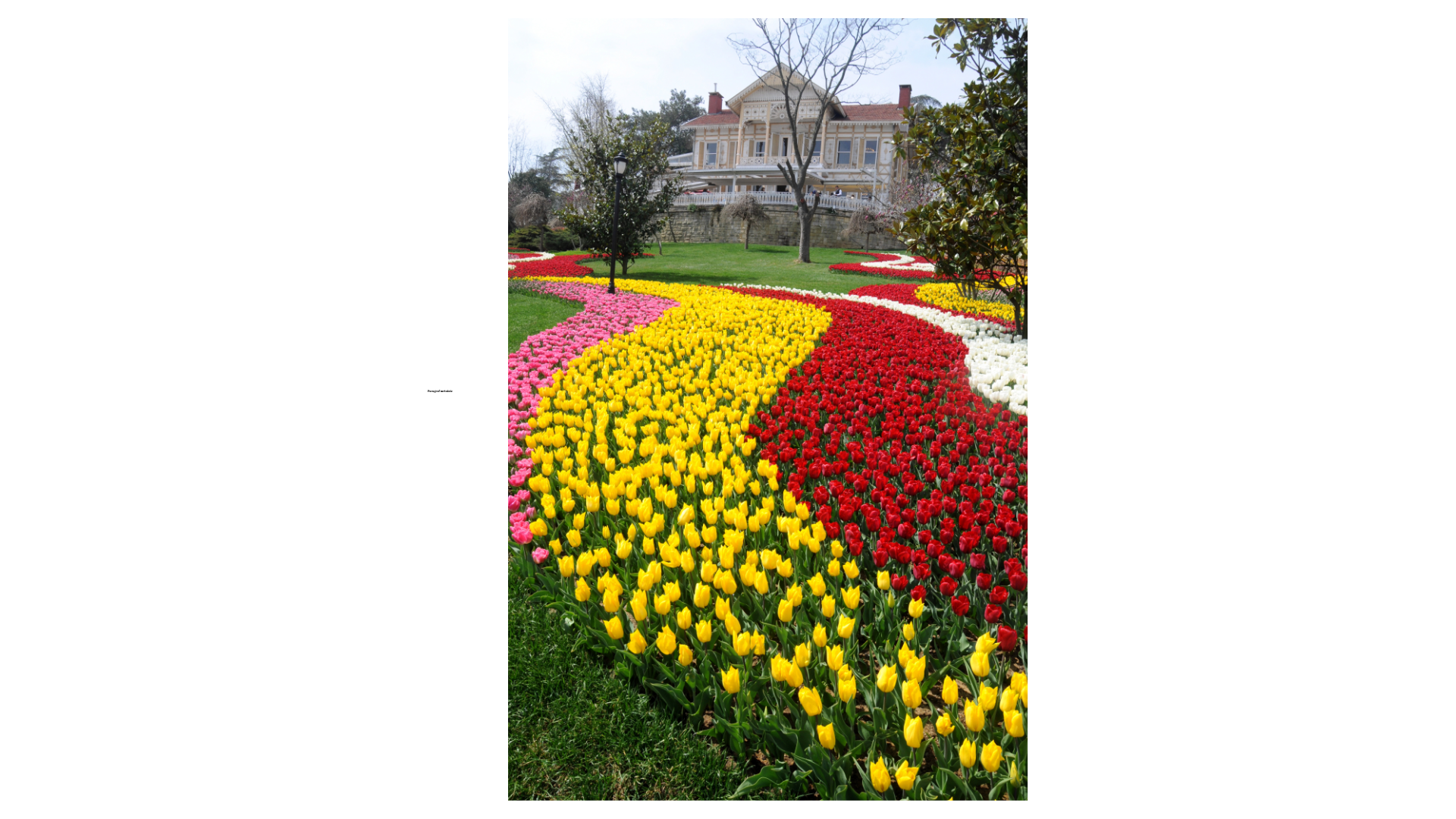
Nestled on the shores of the Bosphorus, Emirgan Park is a prime location to witness the tulip extravaganza. The park is transformed into a kaleidoscope of colours, with tulips of all shapes and sizes creating a breathtaking display. Stroll through the well-maintained gardens and take in the beauty of the tulips against the backdrop of the iconic Bosphorus Bridge.
- Gulhane Park:
Situated near the historic Topkapi Palace, Gulhane Park is another must-visit during the festival. The park’s wide expanses are adorned with tulip beds, creating a serene atmosphere for visitors to relax and enjoy the beauty of spring. Don’t miss the vibrant Tulip Carpet, a stunning display of tulips arranged in intricate patterns.
- Topkapi Palace:
Explore the magnificent Topkapi Palace, once the residence of Ottoman sultans and the centre of administration for the Ottoman Empire. During the Tulip Festival, the palace grounds are adorned with tulips, adding to the grandeur of this historic site. Take a leisurely stroll through the palace gardens and immerse yourself in the beauty of the tulips amidst centuries of history.
- Sultanahmet Square:
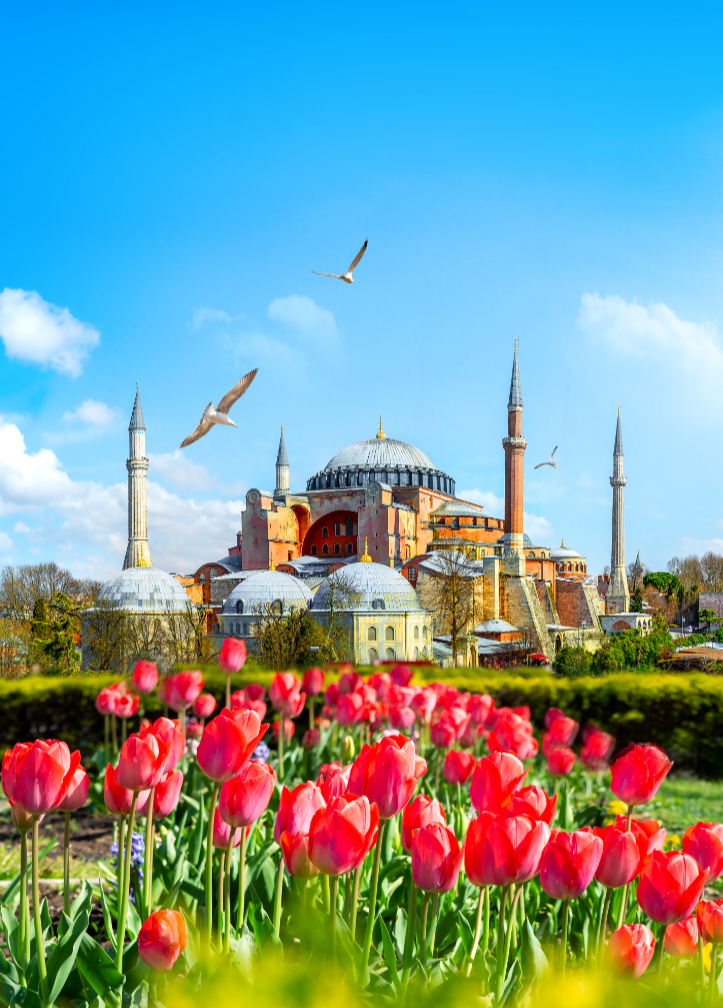
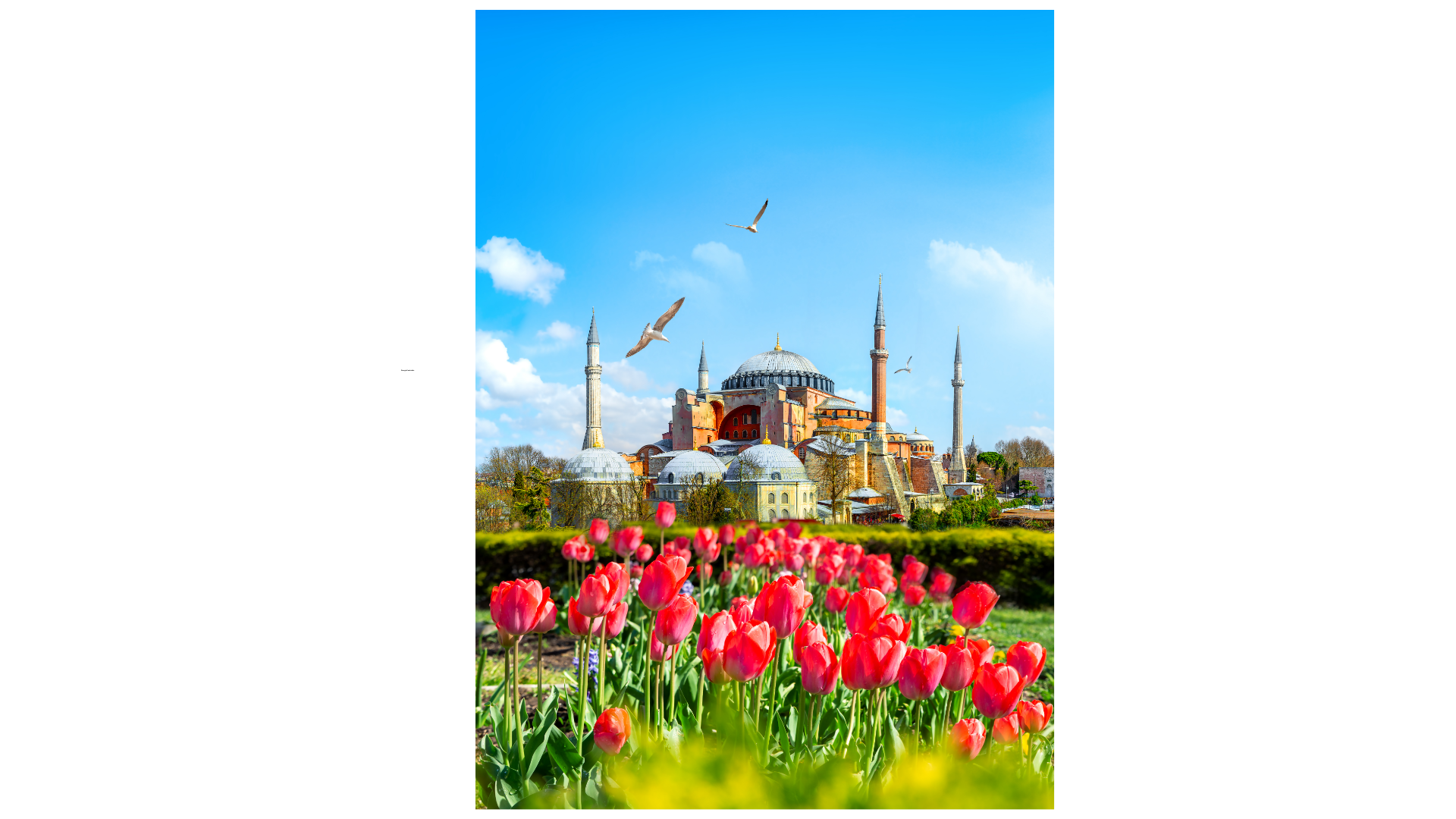
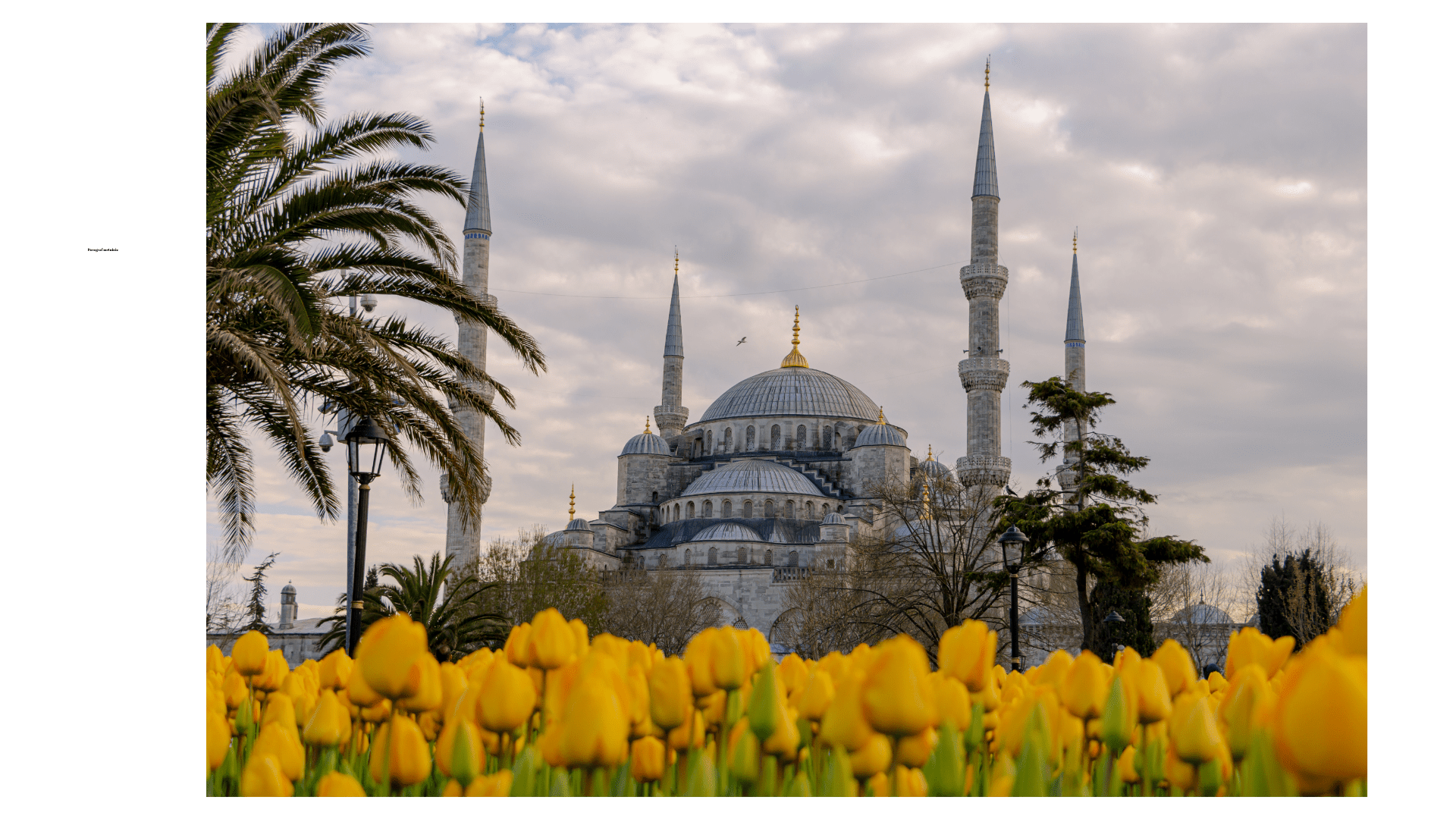
Immerse yourself in history and culture by visiting Sultanahmet Square, where the tulip beds complement the majestic landmarks of Hagia Sophia and the Blue Mosque. The juxtaposition of ancient architecture and vibrant tulips creates a captivating scene, offering a unique blend of the old and the new.
Conclusion:
Istanbul’s Tulip Festival is a celebration that transcends the boundaries of nature and culture. While the tulip may have found fame in the tulip fields of Holland, Istanbul’s unique take on the festival, coupled with the historical significance of tulips in Turkish culture, makes it a truly special experience. So, if you find yourself in Istanbul during spring, don’t miss the chance to immerse yourself in the colours of the city’s enchanting Tulip Festival.
Let us take you to this wonderful display:




 Fez Travel